Mix export for mastering
Send one stereo mix per song with no limiter on the mix bus and no loudness war. Headroom between your loudest peaks and 0 dBFS lets us set EQ, dynamics and final level safely. Interleaved 24-bit WAV at 44.1 or 48 kHz is standard; 32-bit float is fine if that is your DAW export.
Avoid MP3 as a mastering source unless it is truly all you have — loss is already baked in. Name files clearly: Artist_Title_Mix_v3.wav. Include tempo, key and ISRC if you have it when you write contact.
Loudness and streaming
Most listeners in the Netherlands use platforms that normalise loudness. We master for that chain: clear, unclipped, with dynamics that fit the genre. Heavy brickwall limiting before mastering leaves little musical room to work.
Send a commercial reference in a similar style — we will not match it numerically every time, but it sets direction. Vinyl or cassette may need a separate master; mention it when quoting.
Rates
Mastering pricing:
| Package | Price incl. VAT |
|---|---|
| Per track | €68 |
| EP up to five tracks | €295 |
| Album up to twelve tracks | €520 |
EPs and albums get matched loudness and tone across songs. Singles are €68 each. Unsure after mixing? Request a mix check before locking master budget — see estimate your mixing budget.
Delivery after mastering
You typically receive:
- 24-bit WAV for distribution (44.1 kHz unless agreed otherwise)
- Optional AAC or MP3 preview on request — not a substitute for WAV uploads
- Short note on peak and integrated loudness
DDP for CD pressing is available on request as extra work — tell us via contact. Files stay available for 24 months.
Metadata and rights
We do not fill in distributor forms for Spotify or others; you or your label upload. Fix titles, features and credits before release — post-release fixes are slow on platforms.
Mastering does not change composition copyright. Clear samples before release. Podcast music? Read podcast music rights.
Technical pitfalls
Double compression: if your mix is already heavily limited, we may ask for a version without the mix-bus limiter. Mono compatibility: check on one speaker; we catch phase issues, but prevention is faster.
Leave a few seconds at start and end for album crossfades. Do not dither twice — export once cleanly from the mix session. If you mastered at home already, tell us — we can master from your mix again only if you accept that earlier choices may be replaced.
Attended sessions
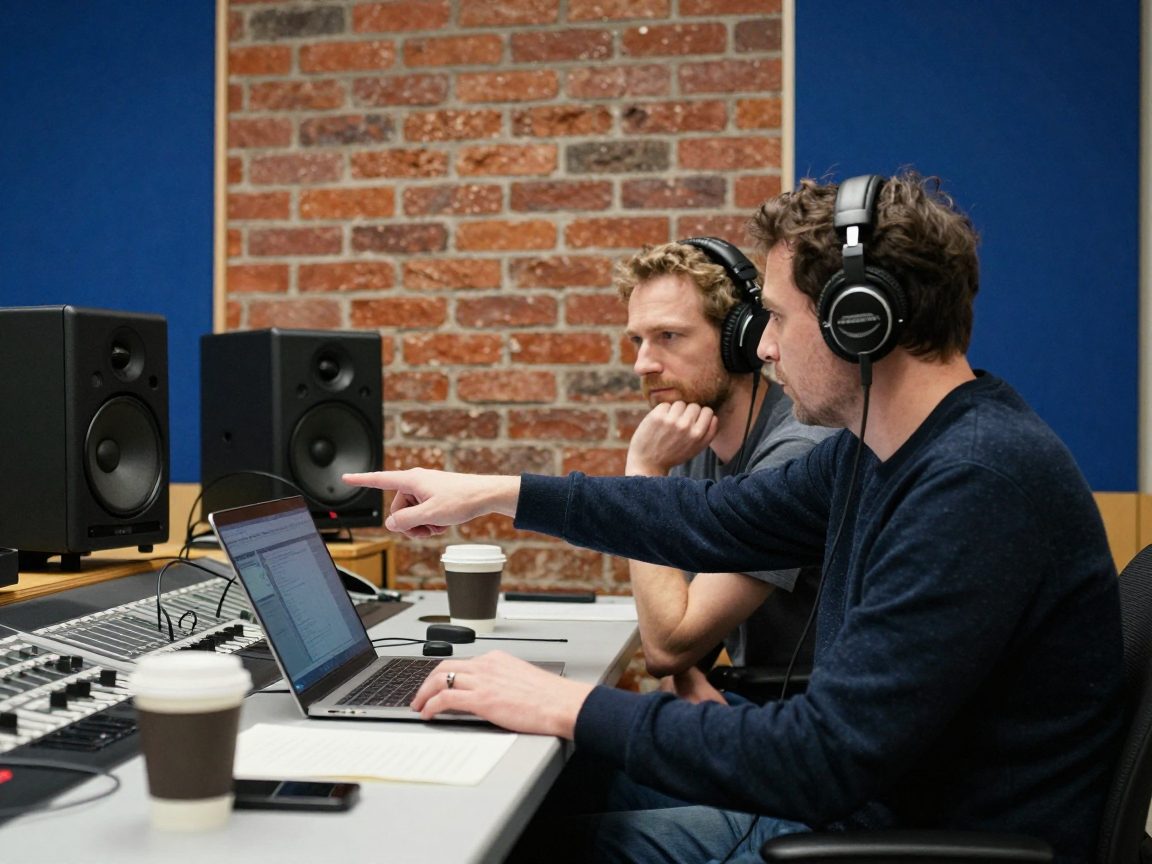
Want to sit in on the master pass? Book a slot on Bilderdijkstraat — The studio is on Bilderdijkstraat in Oud-West, about a ten-minute walk from Leidseplein. Trams 1 and 7 serve the Bilderdijkstraat stop, roughly three minutes on foot from there. The entrance is at street level, which makes bringing cases or instruments straightforward. Open Mon–Fri 10–22 · Sat 11–18. Live feedback saves email rounds; studio time beyond standard mastering is quoted separately if needed.
We work on neutral monitors in a treated room (20 m²); the goal is translation on phone, car and decent headphones, not the loudest possible file.
Checklist
- 24-bit stereo WAV, headroom, no mix-bus limiter
- Clear file name and version
- References and genre noted
- Budget: €68 / €295 / €520
- Questions? Contact or [email protected]
Platform specs change occasionally; check your aggregator before upload. Keep a backup of the final WAV outside our archive window of 24 months.